Modern healthcare relies extensively on X-ray imaging, computed tomography (CT), and other diagnostic and therapeutic procedures involving ionizing radiation. While these technologies play an essential role in diagnosing diseases and supporting effective treatment, their use also requires strict attention to radiation safety.
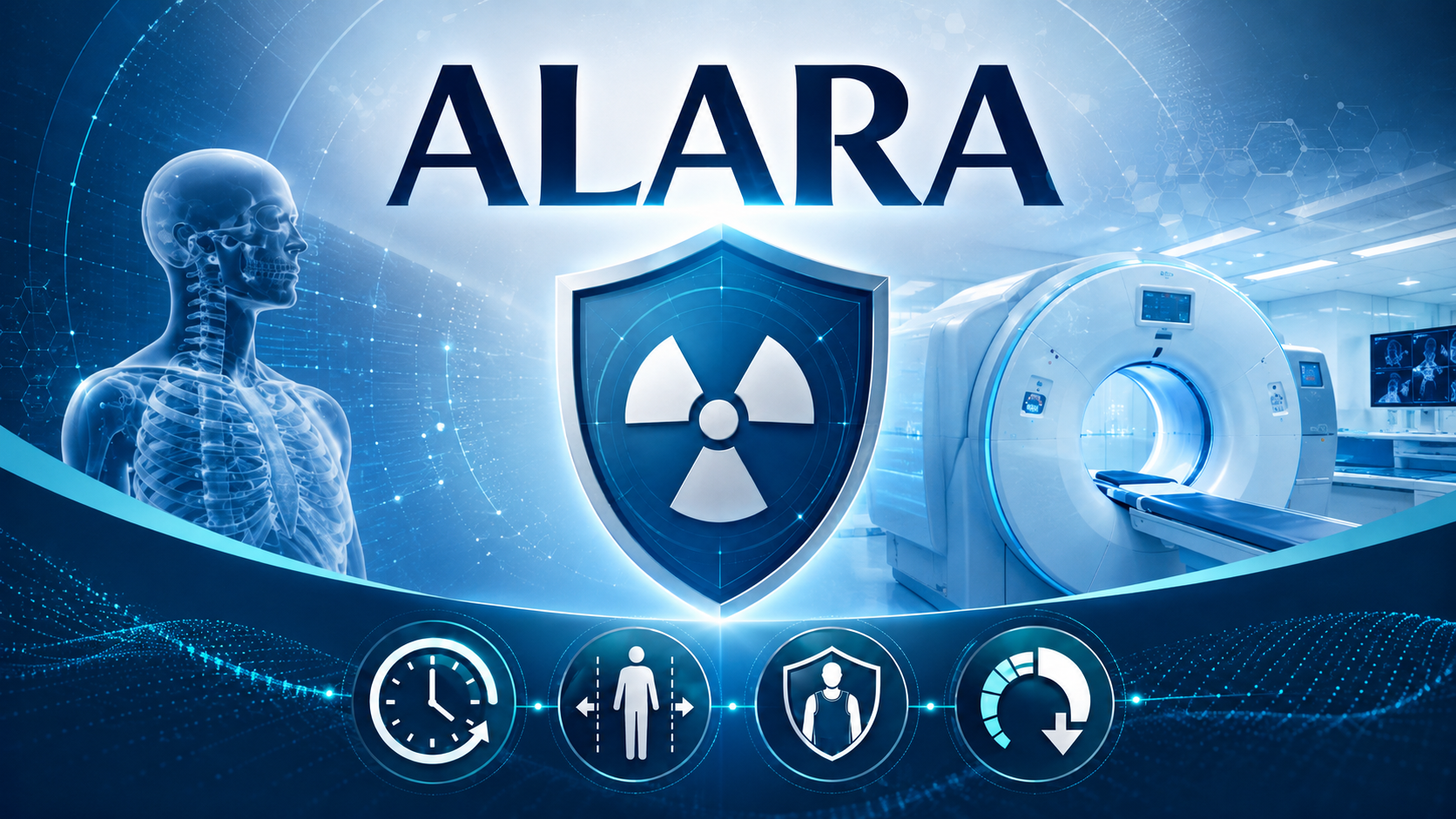
One of the internationally recognized approaches to radiation protection is the ALARA principle – “As Low As Reasonably Achievable.” It means keeping radiation exposure as low as reasonably achievable, while still obtaining the necessary clinical or diagnostic result.
ALARA does not mean avoiding radiation altogether. Instead, it focuses on preventing unnecessary exposure without compromising the quality or diagnostic value of a medical examination. In other words, patients should receive the information or treatment they need while being exposed to the minimum reasonable amount of radiation.
Key Principles of ALARA
Several important measures contribute to effective radiation protection.
Minimizing time – reducing the amount of time spent exposed to radiation helps decrease overall radiation exposure.
Increasing distance – maintaining a safe distance from the radiation source is particularly important for protecting healthcare workers from unnecessary exposure.
Using protective measures – shielding screens, protective barriers and other appropriate radiation-protection equipment should be used when necessary.
Justifying examinations – every procedure involving ionizing radiation should have a clear clinical indication. Unnecessary examinations may result in avoidable radiation exposure.
Optimizing protocols – radiation dose should be adjusted according to the patient’s age, body size, type of examination and clinical purpose. The objective is to use the lowest dose sufficient to obtain the required diagnostic information.
Avoiding unnecessary repeat examinations is another important element of radiation safety. Taking previous imaging results into account and properly planning diagnostic procedures can help reduce avoidable exposure.
Minimum Reasonable Exposure – Necessary Clinical Benefit
The goal of ALARA is not to eliminate the use of radiation in medicine. Rather, it promotes the safe and responsible use of modern diagnostic and therapeutic technologies.
Therefore, radiation safety is an essential component of high-quality and safe healthcare, and following the ALARA principle helps protect both patients and healthcare professionals from unnecessary radiation exposure.



 IQ Tech